A British island reclaimed by nature
A far-flung British territory
Marooned in the
South Atlantic Ocean between Argentina and Antarctica, the glaciated
peaks and billowing tundra grasses of South Georgia cast a dramatic
scene. Though the crescent-shaped island is technically a British
Overseas Territory, it’s also claimed by Argentina and is so remote and
hard to get to that many people in the United Kingdom have never even
heard of it. There’s no airport, so the only access is by boat from
Tierra del Fuego or the Falkland Islands, a journey of at least two days
and nights across some of the roughest seas in the world.
But
South Georgia’s remote location is the island’s secret blessing, because
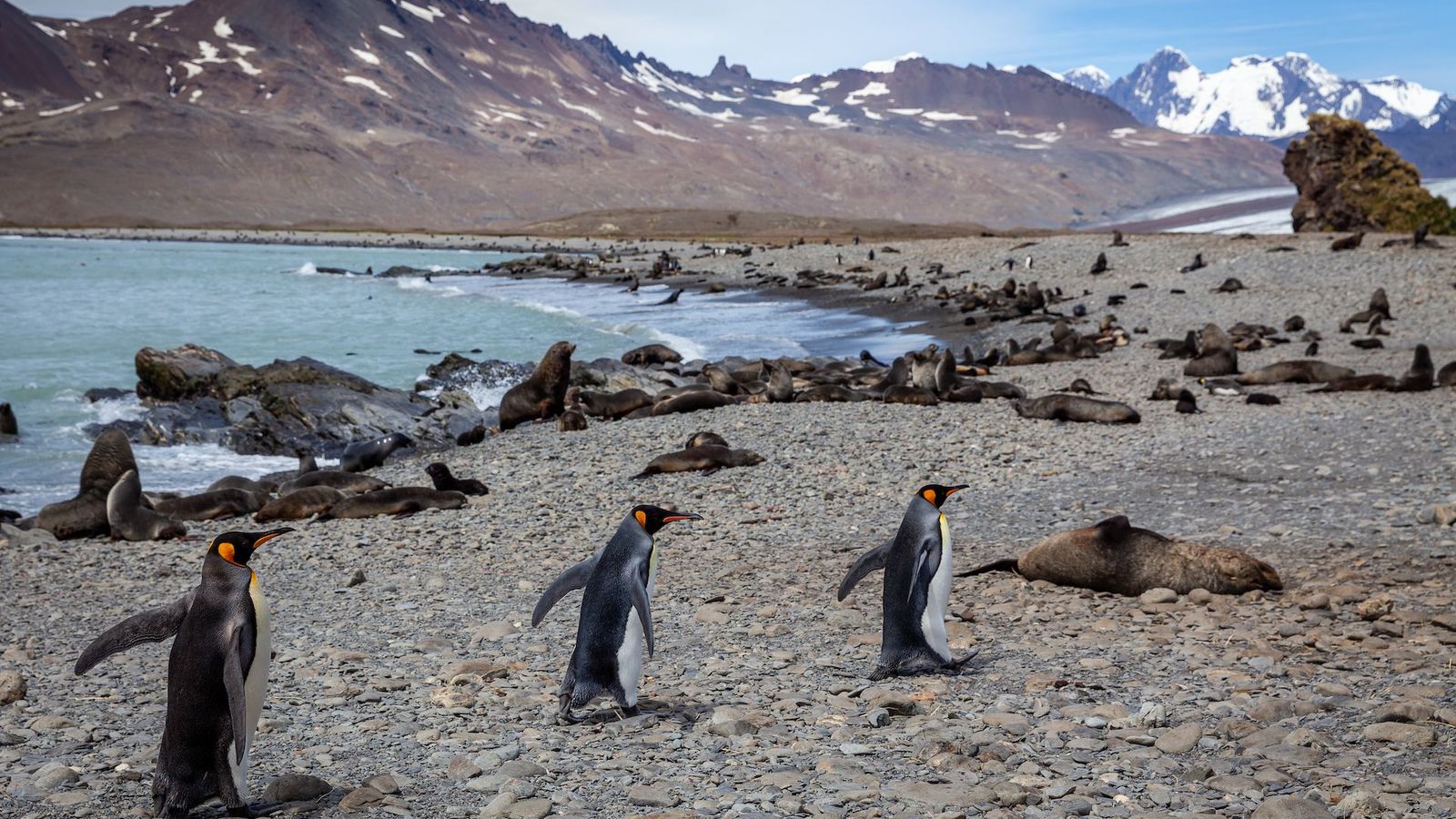
here, well away from humans, nature is flourishing. In fact, South
Georgia has such a stunning and surprising array of biodiversity that
this near-Antarctic oasis is often referred to as “The Galapagos of the
Poles”. (Credit: Bella Falk)
Ice and penguins
Located about
1,000km east of the Falkland Islands, South Georgia is the largest dot
in a spectacularly picturesque but inhospitable archipelago called South
Georgia and the South Sandwich Islands. It’s about 160km from tip to
toe and covers an area of about 3,527 sq km, making it roughly the same
size as Cornwall.
The island was first spotted by sailors in the
17th Century, but it wasn’t until 1775 that Captain James Cook made the
first landing. He claimed South Georgia for Britain and named it the
Isle of Georgia in honour of King George III. In 1916, British explorer
Sir Ernest Shackleton crossed South Georgia while searching for aid
during his ill-fated trans-Antarctic expedition, later dying on the
island.
It’s a harsh but magnificent environment, where
snow-capped mountains more than 2,000m tall plunge into deep fjords, and
crystal blue glaciers calve into the frigid waters with a thundering
rumble. Three-fourths of the island is covered in permanent ice and
snow; and with no major land masses nearby for protection, it’s
frequently battered by vicious South Atlantic winds. (Credit: Bella
Falk)
A once-in-a-lifetime destination
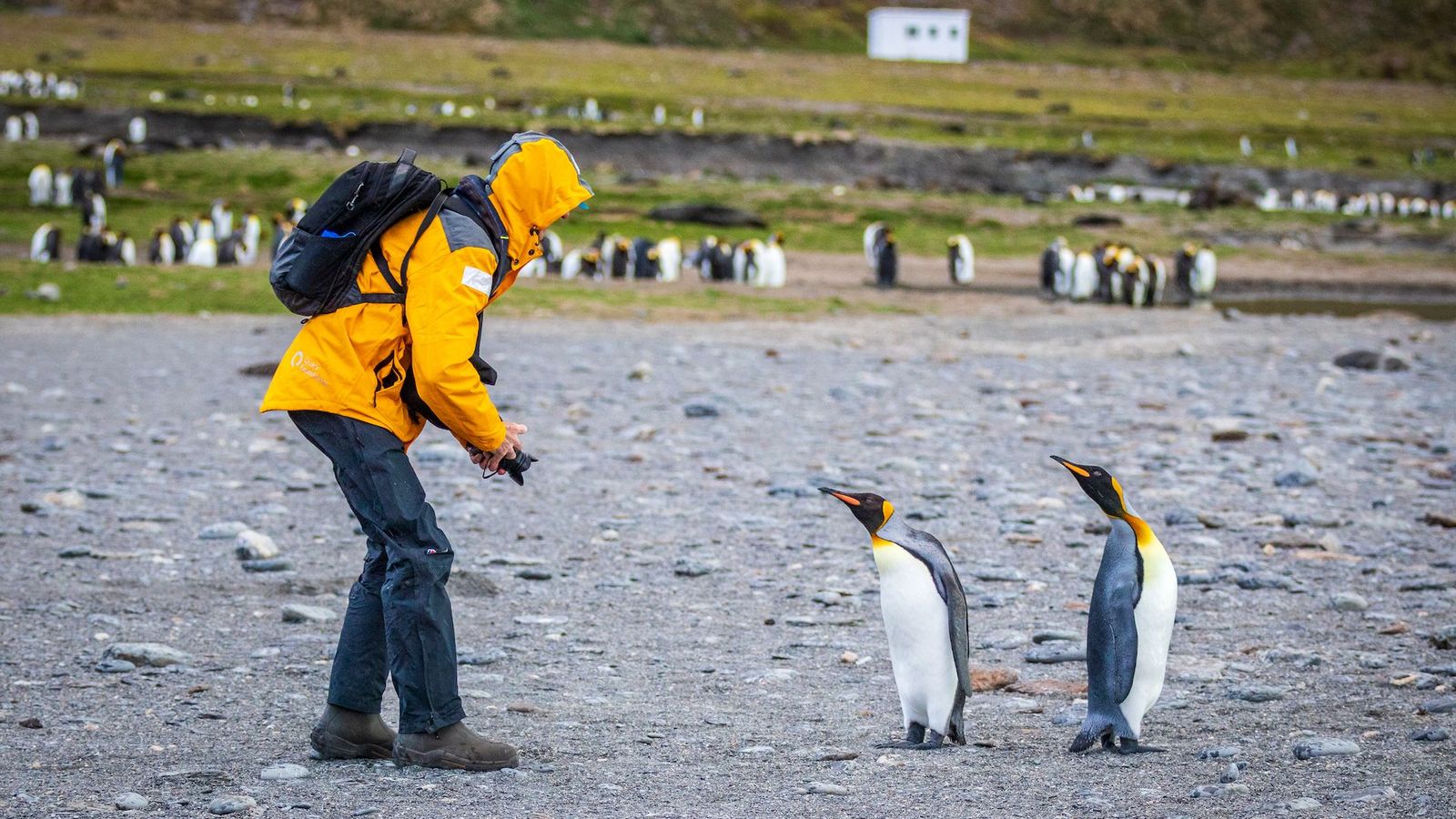
South Georgia has
no permanent residents. Around 30 people live here temporarily, made up
of scientists at the King Edward Point research base and summer staff
who manage the visitor centre and museum for the few tourists willing
and able to make the long journey.
They come on small cruise
ships or yachts, crossing from Ushuaia, Argentina, via the Falkland
Islands and then on to Antarctica. But there is no accommodation on the
island for visitors, and access is restricted, with landings limited to
just 100 people on shore for no more than a few hours at a time.
All
this makes South Georgia one of the least-visited tourist destinations
in the world, with only around 10,000 visitors last year. (Credit: Bella
Falk)
Comments
Post a Comment